CELASC 2026 presentation: Impact of topical lidocaine-prilocaine analgesia on pain-induced grooming after ear notching of mice
Scientific publications
03.06.2026
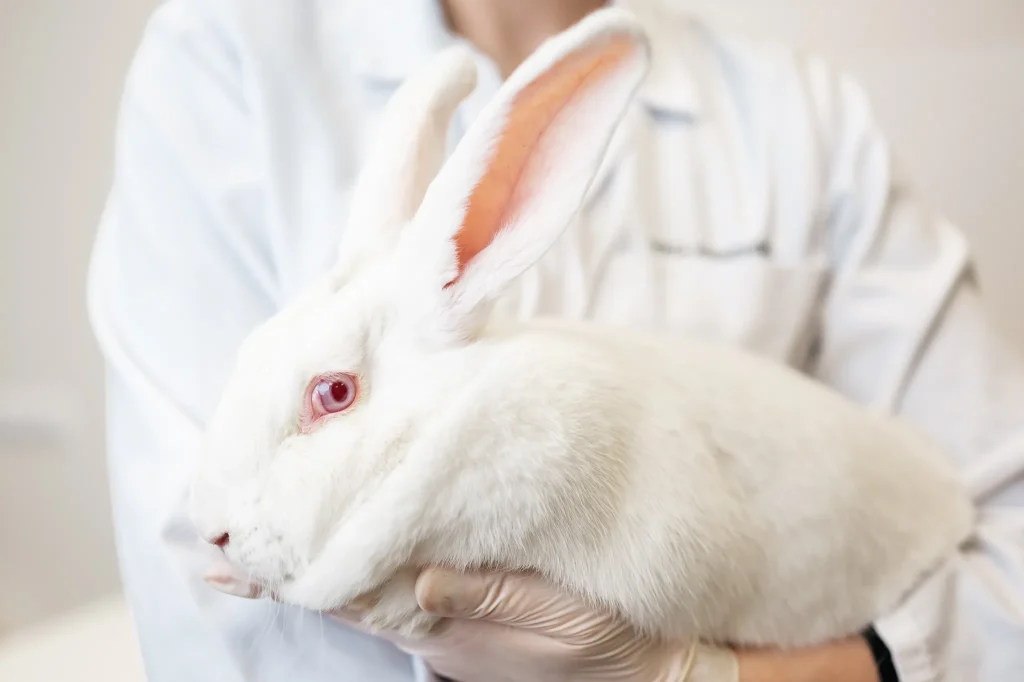
Finnish animal welfare legislation (Government Decree 1165/2023) effective as of January 1, 2024, requires establishments to apply “appropriate pain relief” in association with ear notching identification method of laboratory rodents(1). However, there is a lack of scientific evidence whether the benefits of applying analgesia outweigh the additional stress related to handling and drug administration. Our study aimed to determine if acute pain potentially linked to ear notching increases self-grooming behavior of the affected body area and if topical application of lidocaine-prilocaine ointment has the potential to mitigate such pain.
Materials and methods
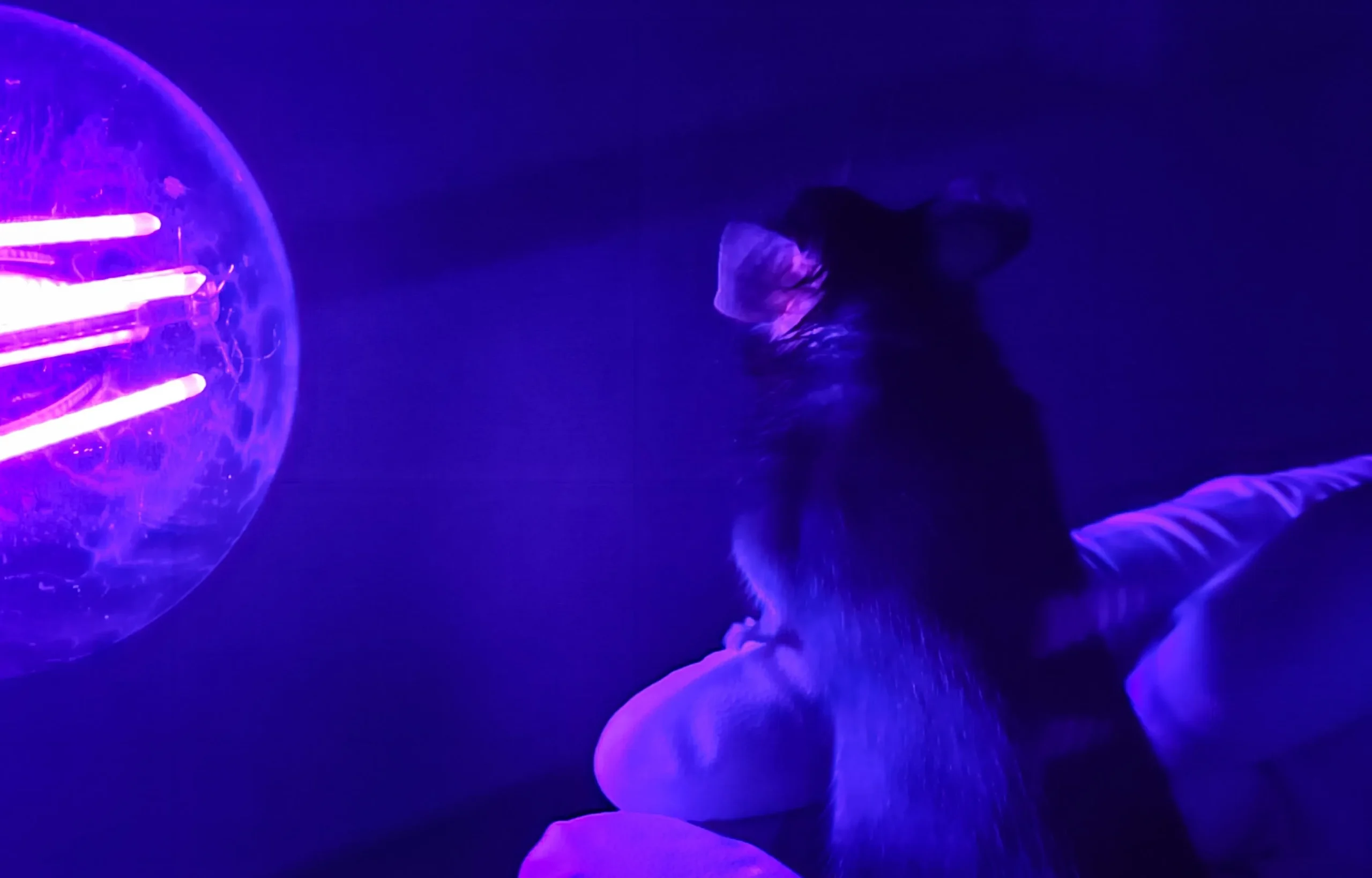
A total of 103 group-housed, 12 – 19 weeks old male and female C57BL/6JRj mice were randomized to the following 4 groups (n = 25 – 26): 1, topical analgesic ointment + ear notch, 2, topical analgesic ointment + handling, 3, vehicle ointment + ear notch, 4, vehicle ointment + handling. Treatments were applied 30-60 minutes prior notching or handling only, then at specific timepoints (30, 60, 120, 240, 360 minutes and 24, 48, 72 hours) we utilized the Grooming Transfer Test(2) under ultraviolet-A light conditions with fluorescent oil applied to the ear during notching and associated handling or handling only, to score the grooming behavior of the animals by a blinded observer.
Results
According to preliminary data, mice treated with analgesic ointment showed significantly higher Grooming Transfer Test scores at 240- and 360-minute timepoints (Fisher’s exact test: P=0.0214, and P=0.0017, respectively, n=25 – 26 animals/group) compared to groups receiving vehicle ointment (n=26 animals/group).
Conclusions
The increase in self-grooming behavior in analgesic-treated groups suggests a pharmacological effect of the treatment, possibly the offset of the topical analgesic, given that all animals received analgesic or vehicle topical treatment. The data provides valuable insight into potentially refining rodent care in the scope of new legislation.
Hajnalka Nádai
CELASC 2026
References
- Valtioneuvoston asetus eläimille tehtävistä toimenpiteistä ja keinollisen lisäämisen menetelmistä (1165/2023), Section 3(13) [Government Decree on procedures performed on animals and methods of artificial reproduction]. Available from: www.finlex.fi
- Oliver, V. L., Thurston, S. E., & Lofgren, J. L. Using Cageside Measures to Evaluate Analgesic Efficacy in Mice (Mus musculus) after Surgery. J Am Assoc Lab Anim Sci. 2018;57(2):186-201. PMCID: PMC5868385
Download our poster
Authors
Hajnalka Nádai, Anni Tenhunen, Sanna Tikka, Anna Mari Koponen, Päivi Partanen, Hanna-Marja Voipio