Skip to content
CELASC 2026 presentation: Impact of topical lidocaine-prilocaine analgesia on pain-induced grooming after ear notching of mice

CELASC 2026 presentation: Impact of topical lidocaine-prilocaine analgesia on pain-induced grooming after ear notching of mice

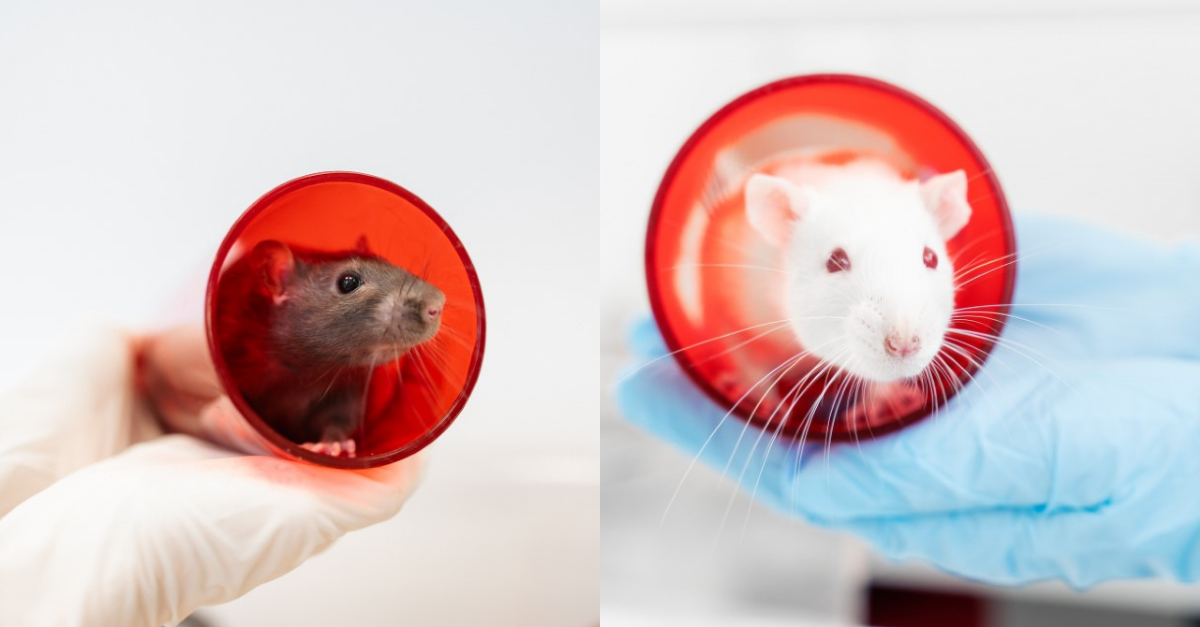
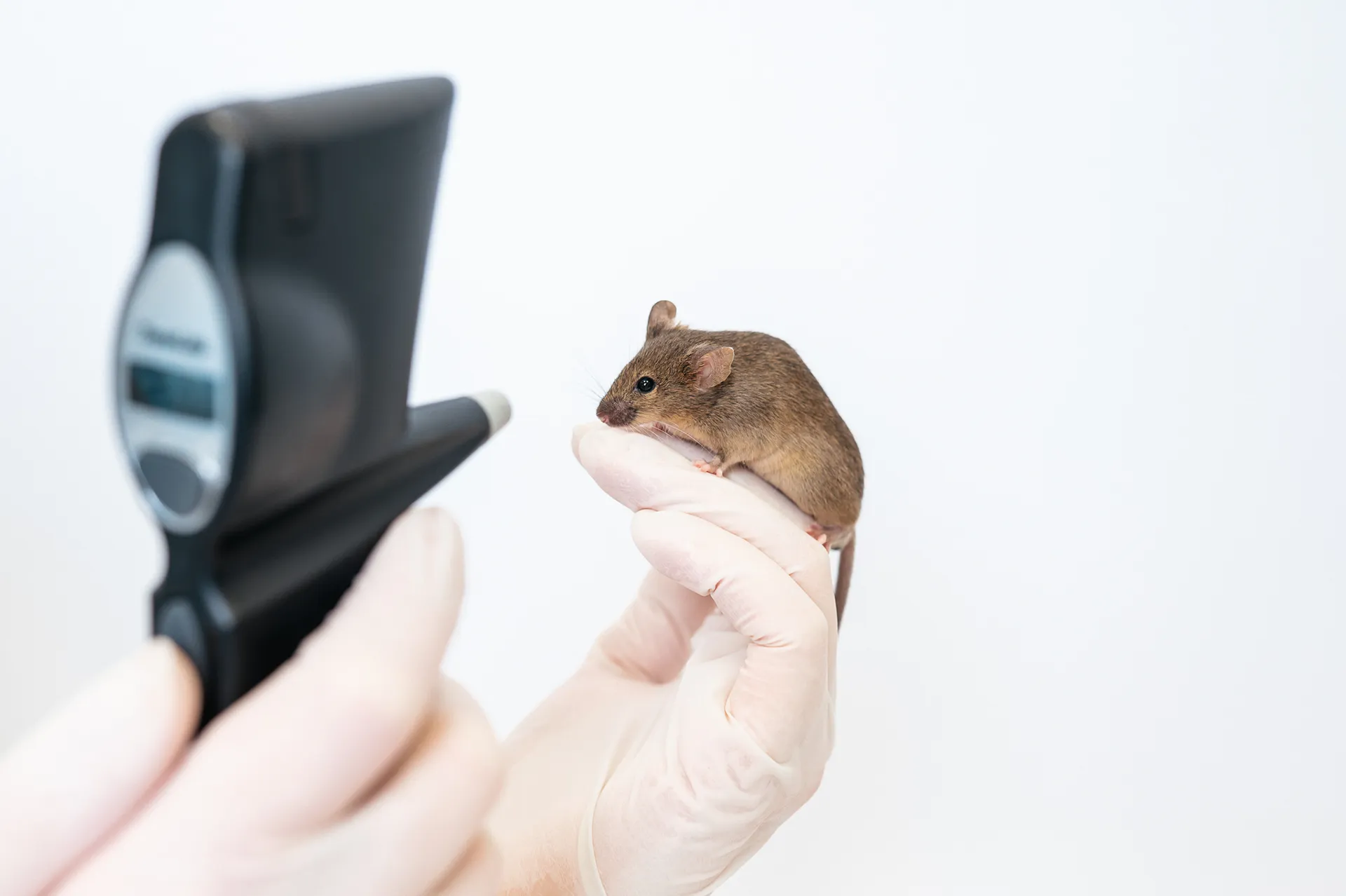
Finnish animal welfare legislation (Government Decree 1165/2023) effective as of January 1, 2024, requires establishments to apply “appropriate pain relief” in association with ear notching identification method of laboratory rodents(1). However, there is a lack of scientific evidence whether the benefits of applying analgesia outweigh the additional stress related to handling and drug administration. Our study aimed to determine if acute pain potentially linked to ear notching increases self-grooming behavior of the affected body area and if topical application of lidocaine-prilocaine ointment has the potential to mitigate such pain.

Learn more Arrow right

ARVO 2026 presentation: Superior efficacy of intravitreal dexamethasone implant over systemic and topical corticosteroids in a rabbit model of tnf-a–induced uveitis

ARVO 2026 presentation: Superior efficacy of intravitreal dexamethasone implant over systemic and topical corticosteroids in a rabbit model of tnf-a–induced uveitis

Ocular uveitis is a major cause of vision loss and often requires corticosteroid therapy to control inflammation. Intravitreal administration of tumor necrosis factor alpha (TNF-α) in rabbit eyes causes ocular inflammation in the anterior chamber, iris hyperemia, and vitreal haze. The purpose of this study was to compare the anti-inflammatory efficacy of intravitreal Ozurdex, systemic prednisolone, and topical dexamethasone.

Learn more Arrow right
Comprehensive characterization of the rat magnetic microbead model

Comprehensive characterization of the rat magnetic microbead model

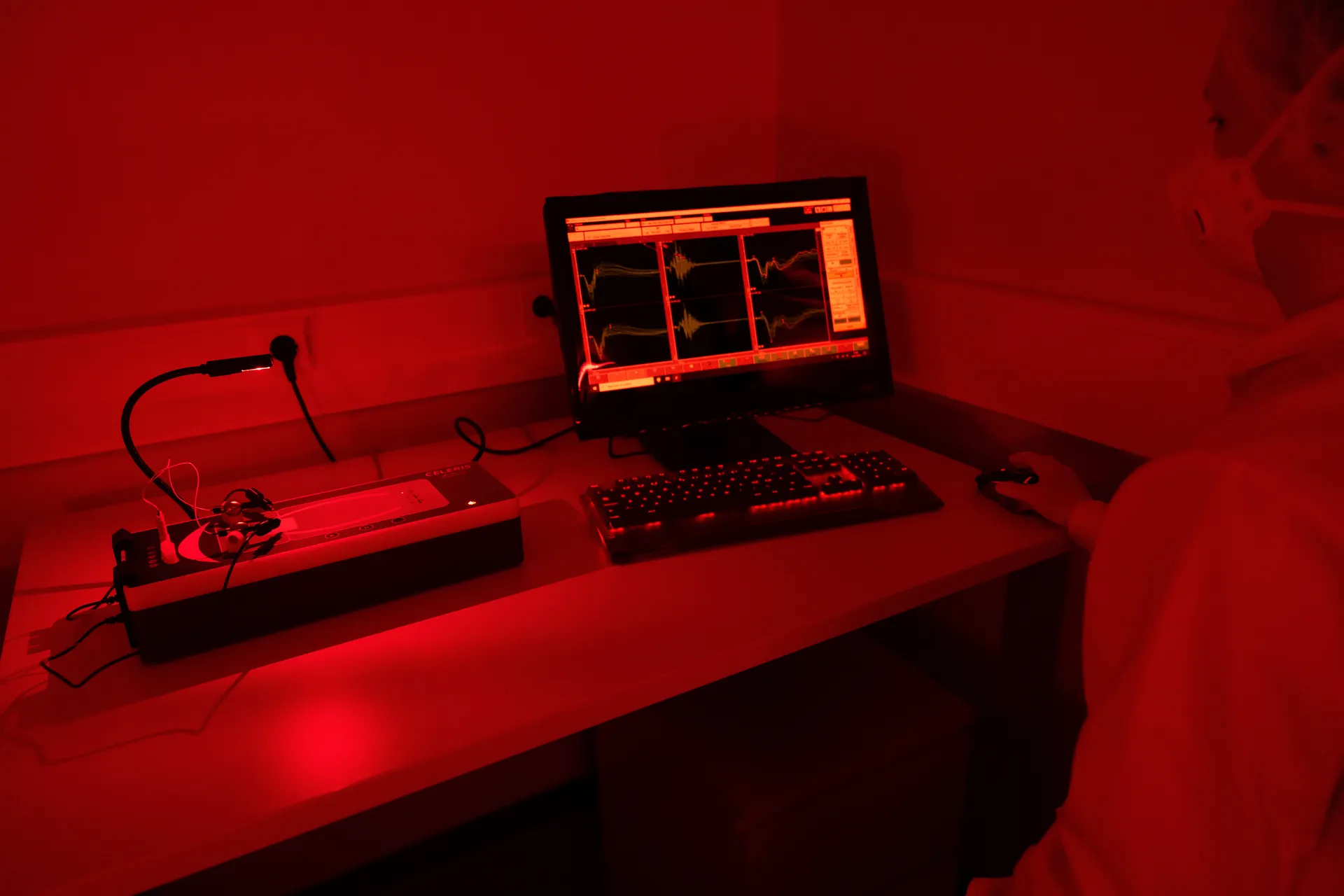
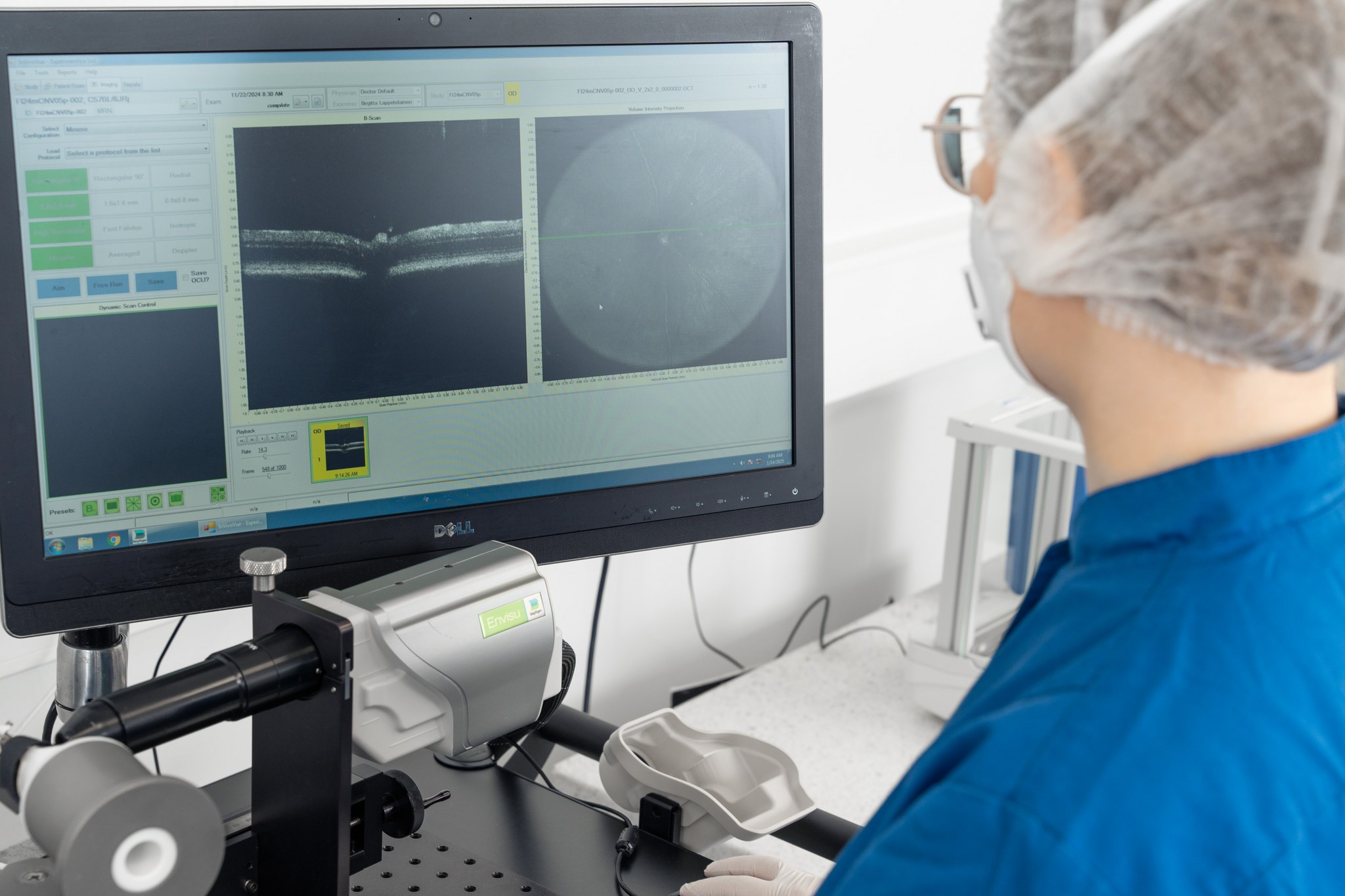
Glaucoma is a leading cause of irreversible blindness, highlighting the urgent need for reliable preclinical models that capture both structural and functional disease aspects. Our recently published study by Kernius Mickevičius provides a longitudinal evaluation of the rat magnetic microbead model of ocular hypertension by combining multimodal monitoring tools including spectral-domain optical coherence tomography (SD-OCT), pattern electroretinography (pERG), optomotor testing, and morphological analysis.

Learn more Arrow right
Welfare complications in the male BN/Crl and RjHan:SD rat streptozotocin-induced diabetes models

Welfare complications in the male BN/Crl and RjHan:SD rat streptozotocin-induced diabetes models

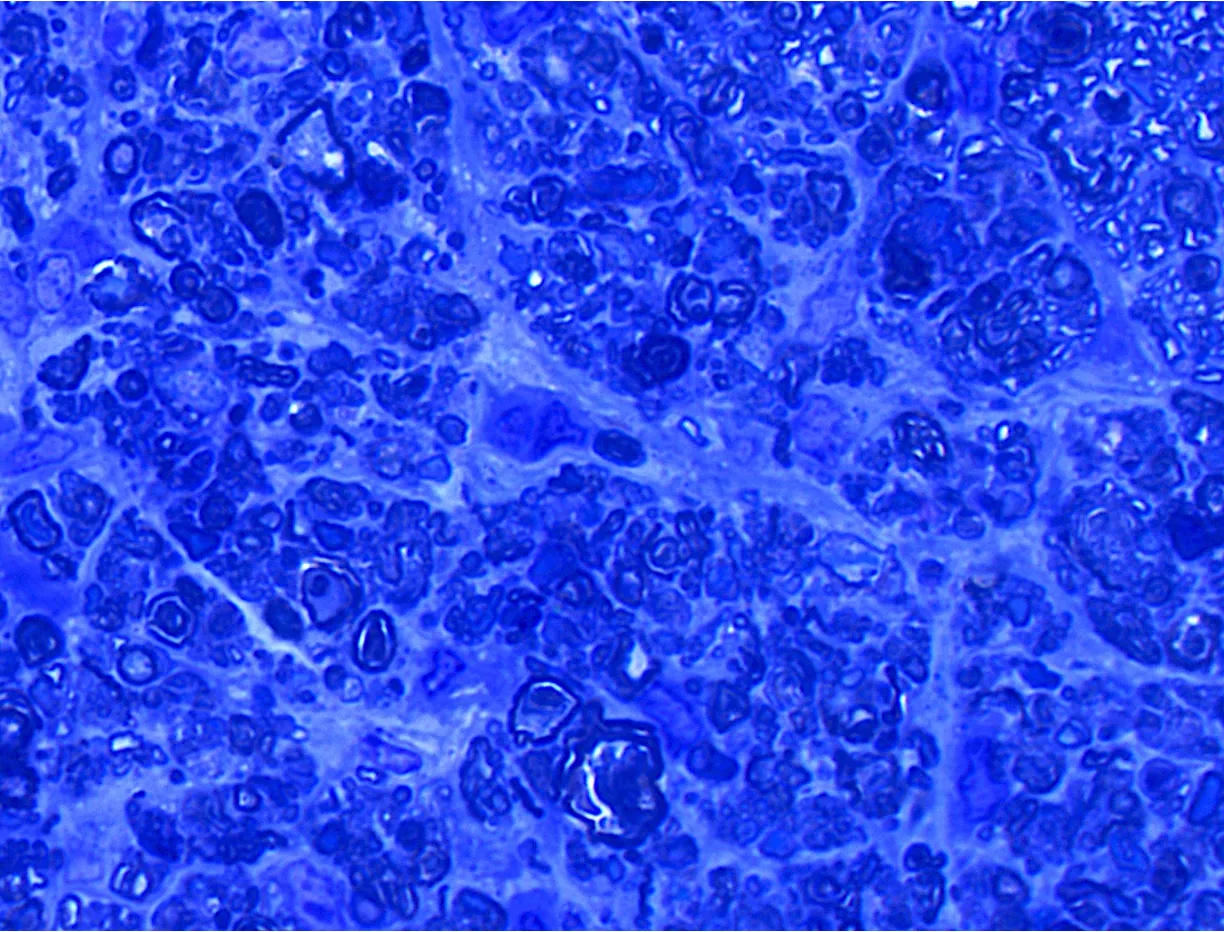
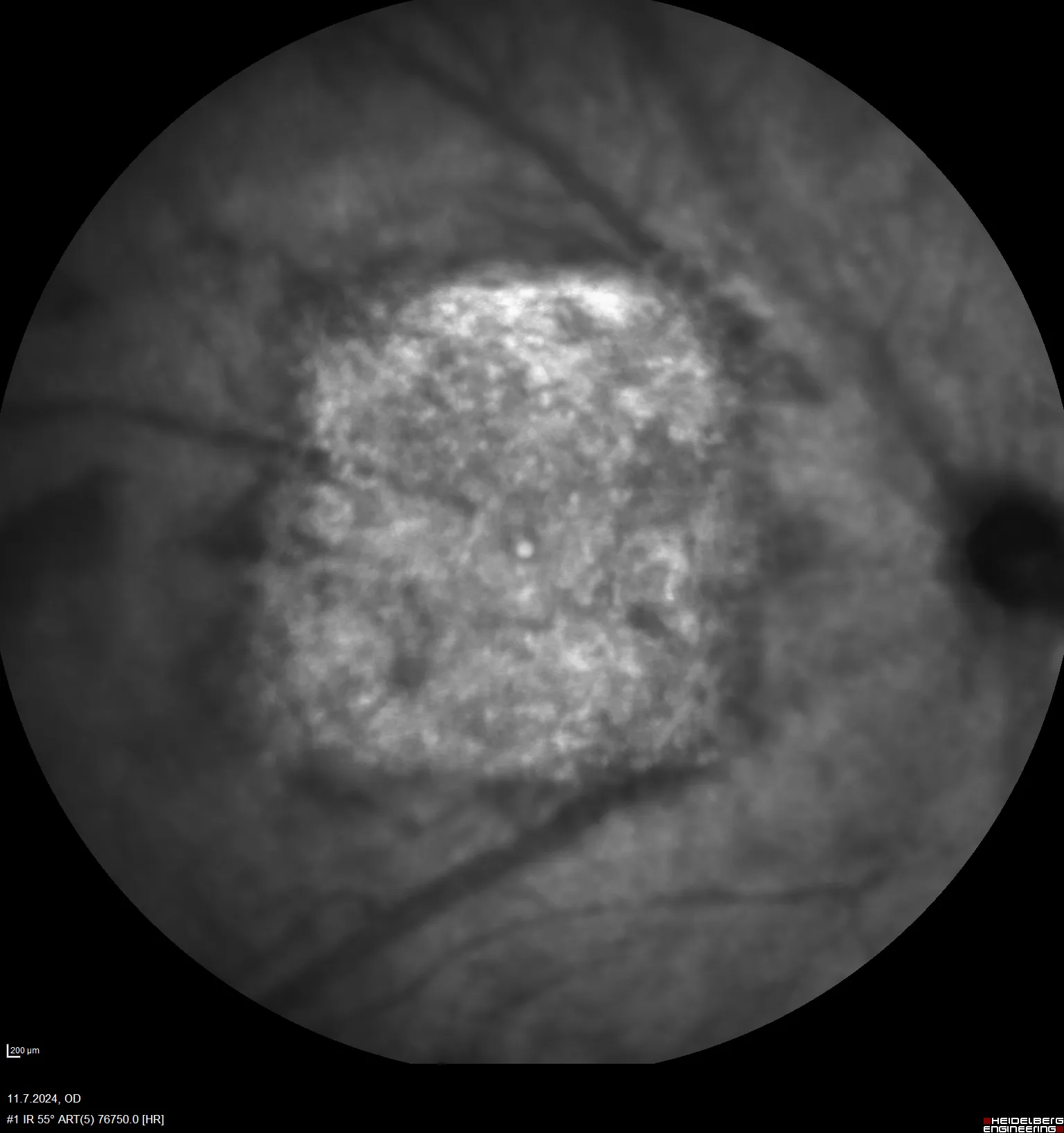
Our latest publication by Anni Tenhunen and colleagues on the welfare outcomes of two widely used rat lines, Brown Norway (BN/Crl) and Sprague Dawley (RjHan:SD), in the STZ-induced diabetic retinopathy model. BN/Crl rats are often favored for ocular studies due to their pigmented eyes, however, our study raises important concerns about their routine use in diabetic models, given their increased risk of serious welfare issues.

Learn more Arrow right
FELASA 2025 presentation: Assessing lidocaine-based analgesia for mouse ​ear notching: Insights into strain-specific reactions​

FELASA 2025 presentation: Assessing lidocaine-based analgesia for mouse ​ear notching: Insights into strain-specific reactions​

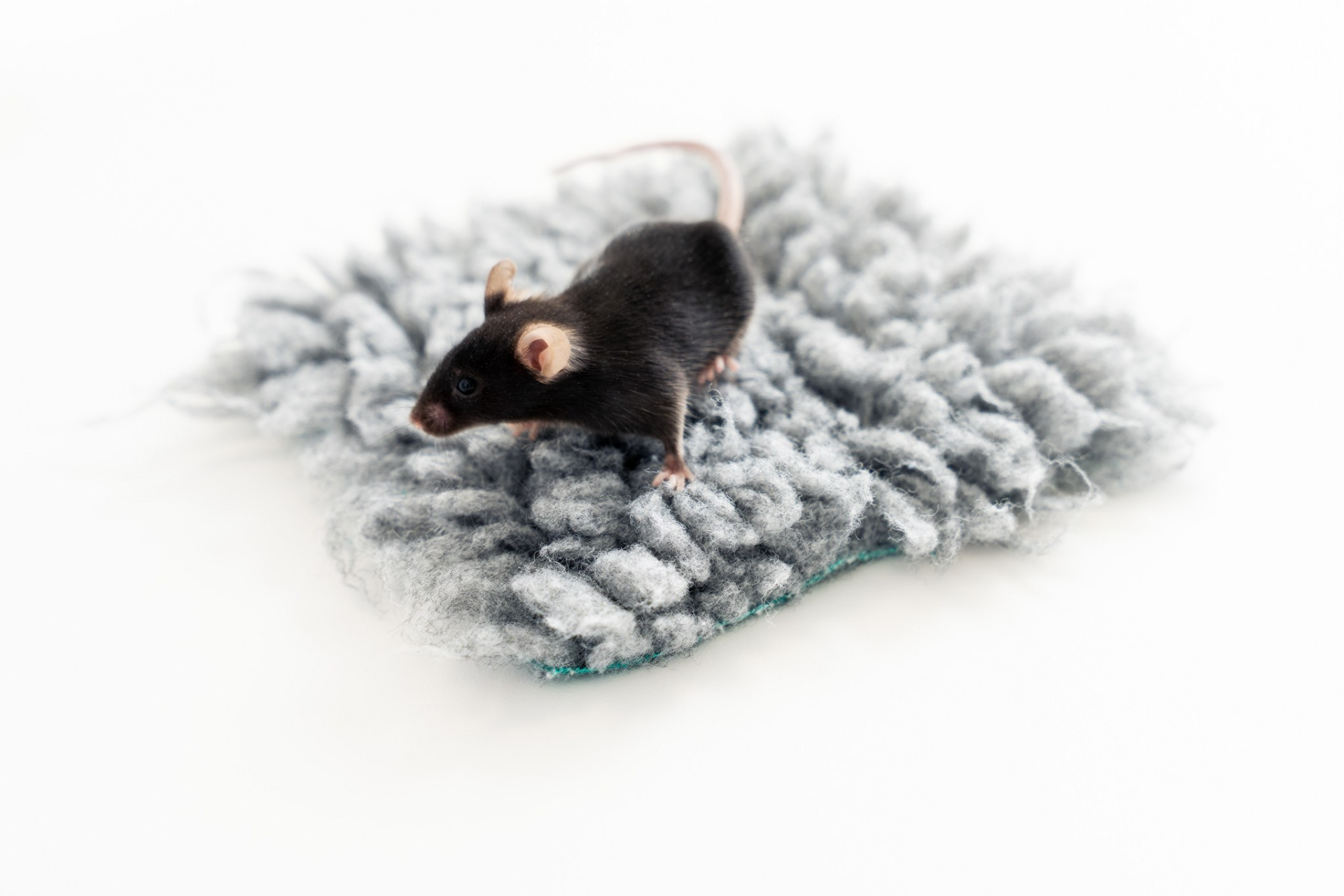
From the beginning of 2024, a new national law on animal protection in Finland (1165/2023 3 §) requires laboratory rodent ear notching to be performed only with "appropriate pain relief". However, the European Union directive on the protection of animals used for scientific purposes (2010/63/EU) classifies ear notching as a routine identification method rather than a procedure, leaving no specific guidelines on suitable analgesia at the EU or the national level. This study aimed to evaluate the suitability of a lidocaine-based cream as analgesia (EMLA cream 5%, lidocaine + prilocaine 25+25 mg/g, Aspen Pharmacare Australia) for mice undergoing ear notching.

Learn more Arrow right
ARVO 2025 presentation: Combined administration of BDNF and CNTF provides superior neuroprotection as compared to BDNF alone in a mouse optic nerve crush model

ARVO 2025 presentation: Combined administration of BDNF and CNTF provides superior neuroprotection as compared to BDNF alone in a mouse optic nerve crush model

Glaucoma, a leading cause of blindness and visual impairment worldwide, is characterized by progressive loss of retinal ganglion cells (RGCs) and damage to the optic nerve. Neurotrophic factors, including brain-derived neurotrophic factor (BDNF) and ciliary neurotrophic factor (CNTF), have been extensively studied for their potential to promote RGC survival and axonal regeneration. However, BDNF's efficacy is restricted by receptor desensitization, while CNTF alone often induces inflammation and gliosis, limiting its therapeutic potential. This study was aimed at evaluating if a combination of BDNF and CNTF offers synergistic effects, providing superior neuroprotection as compared to either factor alone.

Learn more Arrow right
1 2 3
AAALAC accredited company

All our facilities are AAALAC accredited, reflecting our commitment to the highest standards of animal care in research.